



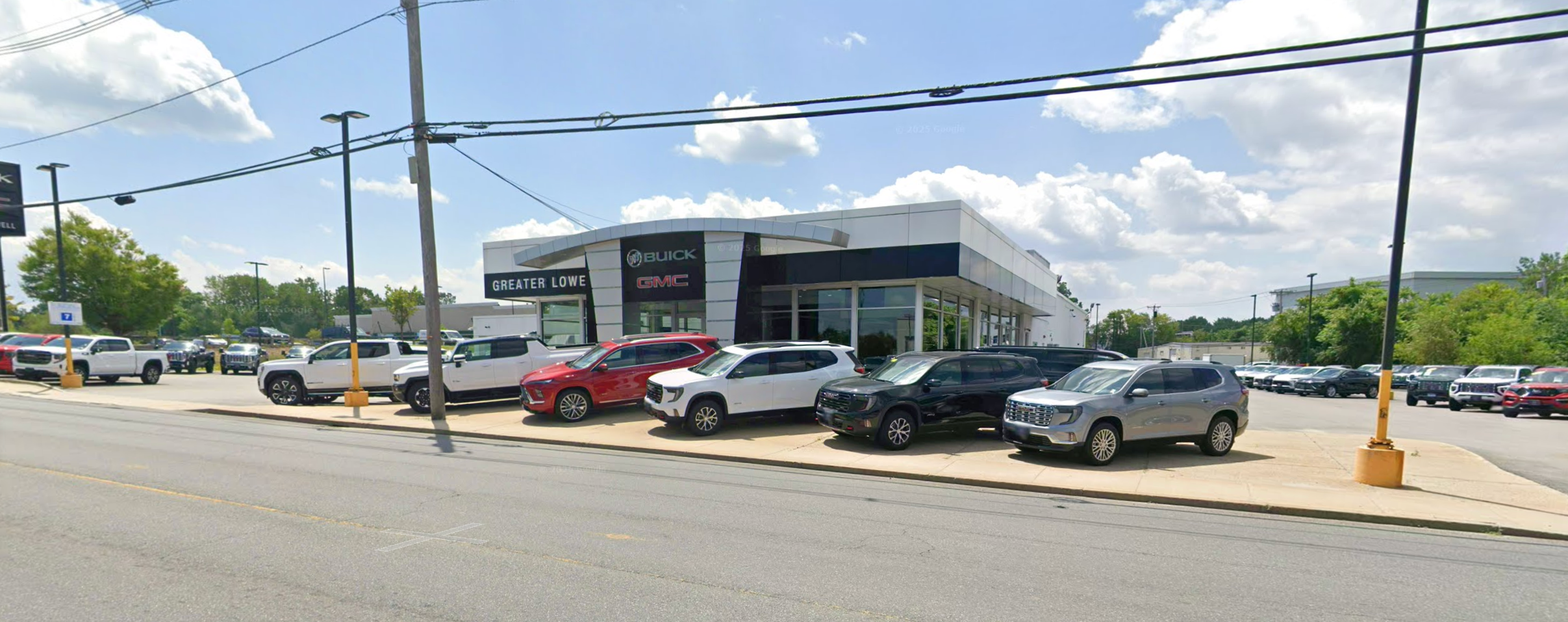
Buick GMC Dealership Massachusetts
See how Greater Lowell Buick GMC helps Massachusetts shoppers start with clearer communication and next steps before they visit
Explore your trade-in and financing options early so your Buick GMC shopping process feels more straightforward
Call now to talk through what to expect before you make time for a Buick GMC dealership visit
| Sales | ||
| Day | Open | Closed |
| Monday | 9:00AM | 7:00PM |
| Tuesday | 9:00AM | 7:00PM |
| Wednesday | 9:00AM | 7:00PM |
| Thursday | 9:00AM | 7:00PM |
| Friday | 9:00AM | 6:00PM |
| Saturday | 9:00AM | 5:00PM |
| Sunday | Closed | Closed |
Why Shoppers Choose the Dealership Before They Choose the Vehicle
For many Massachusetts shoppers, the first decision is not Buick versus GMC or one model versus another. It is whether the dealership itself feels worth the visit. That choice comes first because buyers often know what they want to avoid: a process that wastes time, vague communication, and a visit that starts feeling heavier than it should before the vehicle discussion is even useful.
That is why near-me dealership searches carry more meaning than they first appear to. Someone looking for a Buick dealership near them or a GMC store in Massachusetts is often asking a more practical question underneath the search: which dealership is likely to make this easier to navigate. The buyer wants to know whether the visit will begin with clear direction, whether their time will be respected, and whether the store can help them make progress without creating unnecessary friction.
This is where dealership fit becomes part of the vehicle decision itself. A shopper can have a strong interest in a Buick Envision or GMC Sierra and still delay the visit if the store experience feels uncertain. On the other hand, when the dealership already feels more organized and more transparent than expected, the vehicle comparison becomes easier to approach. The process stops feeling like a hurdle and starts feeling like a decision tool.
What a Clear First Conversation Should Tell You Before You Visit
A better dealership process starts before the handshake. The first conversation should not feel like a generic request to come in and figure everything out later. It should reduce uncertainty right away.
For a shopper comparing Buick and GMC dealerships in Massachusetts, that first interaction should help answer several practical questions. Is the buyer still broad in their search, or already narrowing to a vehicle type. Are they replacing a current vehicle and trying to understand trade value early. Do they need financing clarity before deciding whether a visit makes sense. Is the next step an appointment, a vehicle shortlist, or simply enough information to know whether the store is worth the drive.
This is what makes a first conversation useful. It creates direction. Instead of widening the process, it should narrow it. If the shopper is still early in the process, the dealership should help identify which next step is most productive. If the shopper is already comparing specific vehicles, the conversation should focus on availability, priorities, and what would make an in-person visit more efficient.
How Transparency Should Show Up in Pricing, Trade, and Financing
Dealership transparency matters most when it turns complicated steps into understandable ones. Buyers do not usually need every number finalized before a visit, but they do need confidence that trade, pricing, and financing conversations will make the path clearer instead of more stressful.
This is one of the biggest reasons shoppers compare dealerships first. They want to know whether a store will introduce pricing and finance topics in a way that supports the decision instead of overwhelming it. A trade-in step should help explain how the current vehicle affects the next purchase. A financing conversation should help the shopper understand what structure makes sense before the visit becomes too far along. Pricing clarity should narrow the decision rather than turning it into another round of guessing.
When the process is working well, trade and finance become tools that help the buyer compare options more intelligently. When the process is working poorly, those same steps can feel like they are arriving too early or with too little context. A dealership that values clarity should make these topics easier to understand, not harder to trust.
- Use trade conversations to explain structure so the customer understands how the current vehicle affects the next step.
- Introduce financing as a clarity tool that helps compare options before the visit becomes too far along.
- Keep pricing discussions focused on decision support so the customer can tell whether the visit is worth making now.
This is why broad claims about honesty are not enough. A shopper choosing a dealership wants to know what transparency actually looks like in motion. It looks like a trade step that creates understanding, a finance step that answers questions, and a pricing discussion that helps the visit feel more worthwhile instead of more uncertain.
How to Avoid Wasted Time Before and During the Visit
Time respect is one of the clearest ways a dealership can distinguish itself. Buyers do not expect the entire process to happen instantly, but they do expect the visit to begin in the right place. A better dealership process makes that possible by helping customers prepare before they arrive.
That usually means using the tools that already exist to reduce uncertainty. If the buyer has a trade, there should be a way to begin that conversation early. If financing is likely to shape the decision, early guidance helps the store and the customer start from a more useful position. If the shopper is comparing vehicles, narrowing the inventory direction before the visit can keep the appointment from becoming too broad to be helpful.
The point of these tools is not convenience alone. It is focus. A dealership visit becomes more efficient when the customer arrives with a clearer sense of what they need answered and the store has enough context to respond appropriately. That is especially important for buyers who are still deciding between Buick and GMC options or who are comparing this dealership against others nearby.
- Start the visit with useful context so the store knows whether trade, financing, or vehicle direction matters most.
- Use online preparation tools early when they can shorten repeated steps after arrival.
- Measure efficiency by clarity instead of by speed alone, because the strongest visit is the one that answers the right questions first.
The stronger path usually sits between two extremes: doing nothing before the visit or trying to solve everything before stepping into the store. Enough preparation to make the conversation productive, without forcing the customer into decisions too early, is what makes the process feel more respectful of time.
Why Local Dealership Fit Matters After the Sale Too
Choosing a dealership is not only about the day of the purchase. It is also about whether the relationship stays useful once the buyer leaves with the vehicle. That matters more than many shoppers realize when they first begin comparing nearby stores.
A local dealership fit matters because the vehicle relationship keeps going. Service questions come up. Financing needs change. Trade decisions return later. Buyers who value a smoother process before the sale usually value continuity after it as well. That makes local dealership selection more than a convenience choice. It becomes a practical ownership decision.
The tradeoff here is simple. A buyer can treat the dealership as a one-time transaction point, or they can choose a store that is more likely to stay practical after the purchase. For someone who is already selecting the dealership before the vehicle, that difference can become the deciding factor. If the store already feels more respectful, more organized, and more transparent before the sale, it becomes easier to believe that the relationship will stay useful afterward too.
Frequently Asked Questions About Choosing a Buick GMC Dealership in Massachusetts
Should you set an appointment before visiting a Buick GMC dealership?
Setting an appointment can make the visit more efficient when you already know what you want to accomplish. It gives the dealership context around your vehicle interests, trade questions, or financing needs so the first conversation starts with more direction.
What should you bring with you to make the dealership visit smoother?
A driver's license, insurance information, trade details if you have a current vehicle, and any financing questions or payment targets you want to discuss can all help create a more focused visit. Bringing the right information early can reduce repeated steps once you arrive.
How accurate is an online trade-in form before the in-person appraisal?
An online trade form is best used as an early preparation tool rather than a final number. It helps start the conversation and gives the dealership a better sense of your current vehicle, but the final value still depends on condition, mileage, market demand, and in-person verification.
How long should a first dealership visit take when the process is organized well?
The time depends on whether you are still comparing vehicles or already narrowing toward a decision, but a well-organized visit should feel focused rather than drawn out. When the dealership already understands your goals, the visit can spend more time answering useful questions and less time repeating basic steps.
(Note: This article focuses on providing valuable information and does not mention specific pricing, for more information about financing and car buying, please reach out to our dealership.)